Home / Mudroom Floors That Handle Wet Shoes
Mudroom Floors That Handle Wet Shoes
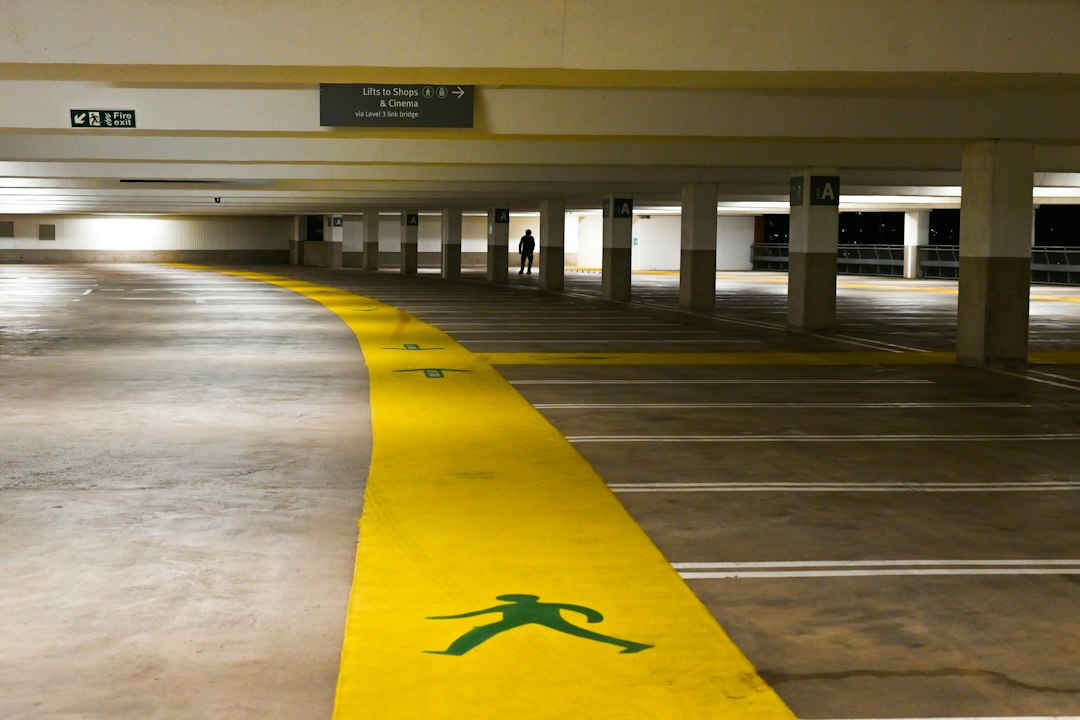
Ask anyone with kids, a dog and a back door where the floor wears out first and the answer is the same: the hallway where everyone drops their shoes. A mudroom floor works under conditions that few other surfaces face. It is wet, gritty and walked on dozens of times a day, and it is rarely allowed to dry out completely between uses.
What wet shoes actually do
Three separate things happen when a damp boot crosses a floor. Water spreads and lingers, especially in low spots and along the edge where the floor meets the wall. Grit trapped in the tread acts like abrasive paper, scratching and dulling the surface with every step. And whatever the shoe picked up outside, whether it was fertilizer, road film, pet waste or lawn chemicals, is smeared across the finish and left to dry. A good mudroom floor has to resist all three, and it has to do it without becoming a skating rink.
Water: absorbent versus sealed
The first sorting question is whether the floor soaks up moisture or sheds it. Wood, laminate with an unsealed edge, cork and carpet all absorb water to some degree, and repeated wetting leads to swelling, cupping, staining and odor. Ceramic and porcelain tile do not absorb, but their grout lines do, and a damp grout joint is where mildew starts. Sheet vinyl and luxury vinyl plank shed water well on the surface but can trap it underneath at seams. A sealed concrete slab or a seamless resin coating over concrete sheds water and has no seams at all, which is why they are popular in mudrooms built on slab foundations.
Whichever material is chosen, think about the edges. Water finds the seam between floor and baseboard, and the bottom of the door casing is the first place wood rots. A cove detail that carries the floor up the wall a few inches, or a sealed bead of flexible caulk at the baseboard, closes that route.
Grit and the scratch problem
Hard, fine abrasives are the real wear culprit. Sand, ground rock and dried clay particles wear soft finishes quickly. Surfaces rated by hardness hold up much better. A cured polyurethane or polyaspartic topcoat resists abrasion well, porcelain tile resists it very well, and wood with a standard film finish does not. A flake or speckled pattern disguises light scratching in a way a solid color never will, because the eye reads the pattern, not the scuff.
The best defense, though, is catching the grit at the door. A recessed walk off mat just inside the entry, a boot scraper outside and a washable runner along the main path remove most of it before it reaches the main floor.
Traction when everything is wet
Wet shoes on a hard smooth surface can slip. Matte and textured finishes provide better grip than glossy ones. Tile with a textured face or a slightly rough porcelain finish works. A resin floor can be given a fine grit in the final coat for the same purpose. Keep the texture moderate, though, because very rough surfaces are harder to mop clean and uncomfortable for bare paws and feet.
Pets, paws and claws
A dog's nails will scratch wood and soft vinyl visibly over time. Dogs also shake off water, spreading it several feet from the door. Harder surfaces handle claws better, and a mudroom with a floor drain or a gentle slope toward the entry makes cleanup after bath time easy. For households that wash pets in the mudroom, a raised lip at the threshold keeps spray where it belongs.
Sound and comfort in a busy room
Hard floors are loud, and the mudroom is often next to the kitchen or the garage entry. Rubber mats under benches, cushioned runners and fabric in the form of cushions and curtains reduce slap and echo. A slightly warmer material underfoot, like cork or vinyl, feels better in the morning than bare stone, although stone and tile can be paired with a heated mat if cold floors are an issue.
Where to read more
For a look at how finished entryway projects come together, the long form articles on epoxy flooring allen record describe the choices that families in North Texas made and what held up through real seasons of use. The details on two specific problems, standing puddles and slow drying, are covered in the supporting pieces on water pooling at entry doors and drying time after tracked in rain.
Cleaning routine for a hard working room
A short, consistent routine beats occasional deep cleaning. Sweep or vacuum daily, using a hard floor attachment so wheels do not drag grit. Damp mop once or twice a week with a neutral cleaner that does not leave a film. Avoid wax or oil soap products on any sealed floor, because they build up and make the surface slippery. After heavy rain, squeegee the standing water toward the door and let the room ventilate, because moisture left overnight in a closed mudroom becomes a musty smell.
Storage and furniture that help the floor
The floor lasts longer when the room is organized around it. Wall hooks and benches on legs rather than solid bases allow air to move beneath them. Boot trays with raised edges contain meltwater and mud so only the tray needs emptying. Cubbies set a few inches above the floor keep shoes from sitting in puddles. If a bench is built in, make sure the bottom is sealed or lifted so it does not wick moisture from the floor.
Common mistakes to avoid
- Choosing solid hardwood for a room that sees daily wet footwear.
- Leaving unsealed grout lines in a high wet traffic zone.
- Selecting a mirror gloss finish that shows every water droplet and footprint.
- Skipping a mat at the entry, so the finish takes the entire abrasive load.
- Overlooking the threshold, where water gathers and creeps under the door.
Putting it together
The best mudroom floor is dense, nonabsorbent, textured enough to grip and simple to clean, with sealed edges and a way to catch grit at the door. Whether it ends up as porcelain tile, vinyl plank or a seamless coating over the slab, the choice is right when wet shoes stop being a worry and the floor still looks respectable after another year of boots, backpacks and muddy paws.