Home / Spilled Drinks and Sugar Residue
Spilled Drinks and Sugar Residue
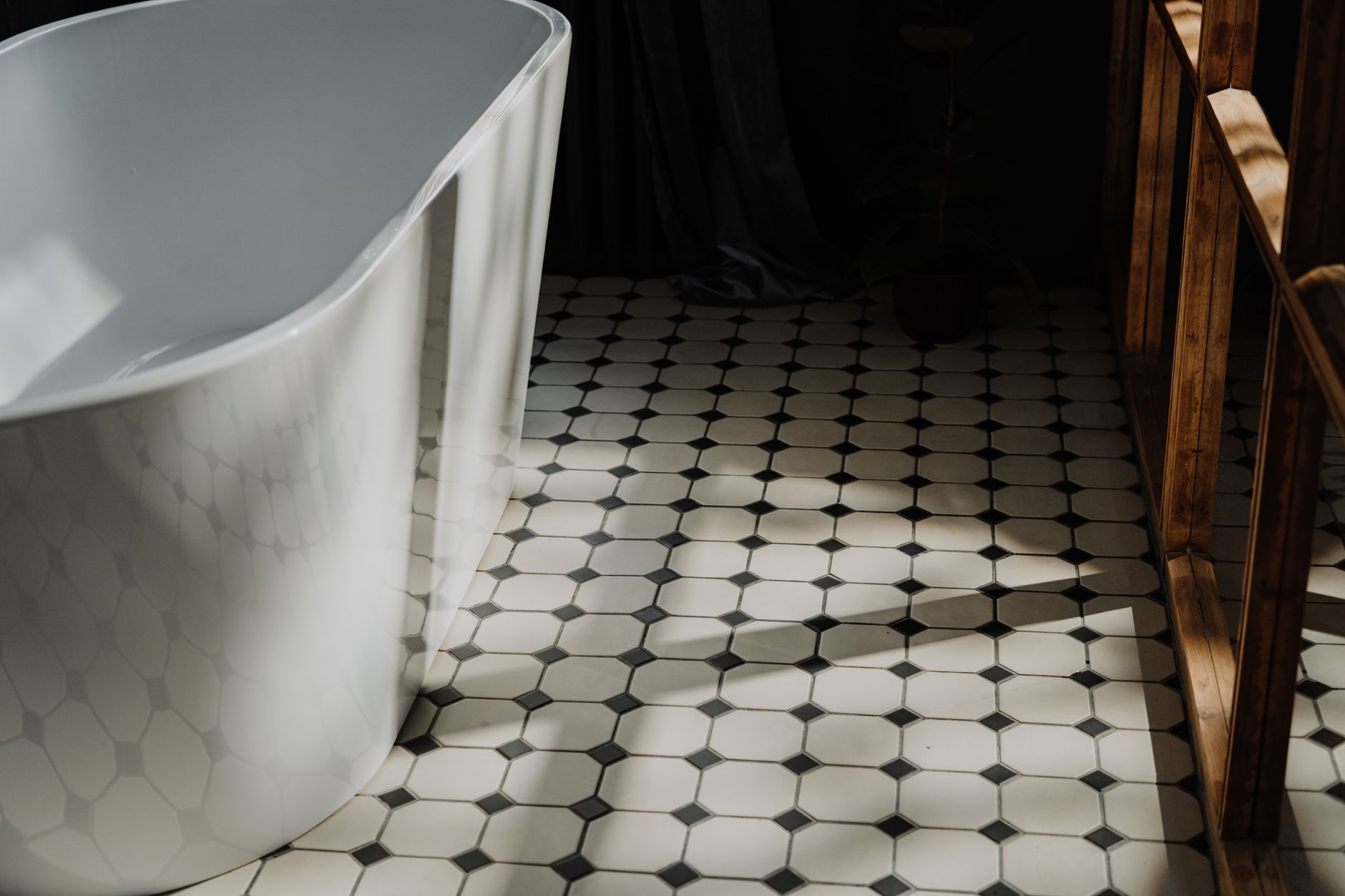
Knock a glass of cola off a coffee table and two different cleanups follow, depending on how long it takes someone to notice. Caught right away, it is a damp towel and done. Found the next morning, it is a tacky patch that grabs sock fibers, attracts ants and refuses to wipe up with a dry cloth. Sugar changes the rules, and the way a sticky spill behaves is quite unlike a dusty mess.
Why sugar is different
Dust and grit sit loosely on a surface. A broom or a dry mop lifts them away. Sugar dissolves in liquid, and when the liquid evaporates the sugar does not leave with it. It stays behind as a thin, glassy, adhesive film. The film is hygroscopic, meaning it pulls moisture from the air, so on a humid day it turns tacky again even after it appeared dry. It also bonds with whatever else is nearby, such as lint, hair and fine dirt, building a patch that grows with each footstep.
What is actually in a drink
Not all spills are equal. Soda and juice carry dissolved sugars and acids. Sweetened coffee adds oils and tannins. Cocktail mixers combine sugar, alcohol and sometimes dyes. Syrup and honey are dense and slow moving. Milk based drinks leave proteins and fats that sour. Wine carries tannins and pigments that stain absorbent surfaces. The dye and the sugar are separate problems: the sugar creates stickiness, and the pigment creates color. A nonporous floor handles both by keeping them on the surface.
Why dry wiping fails
A dry paper towel pressed on dried syrup lifts only the top and leaves behind fibers stuck to the film. Rubbing smears the residue into a larger area. A swipe with a dry mop pushes it along without removing it. The sticky patch has to be rewetted and dissolved. Warm water does that best, because sugar is water soluble. Cold water works, but slower.
The sticky spill method
- Soak up any liquid that is still wet with a clean cloth, pressing and lifting rather than rubbing.
- Lay a cloth dampened with warm water over the dried patch and leave it for a minute so the film softens.
- Wipe in one direction, folding the cloth to a clean face as it fills.
- Follow with a second pass using a few drops of mild dish soap in warm water.
- Rinse with a cloth wrung out in clean water, because leftover soap leaves a film of its own.
- Dry the area with a clean towel so water spots do not form.
The dusty mess method
Crumbs, flour, chip dust and dry powder work in the opposite way. Add water and they turn into paste. Start dry. Sweep or use a soft brush into a dustpan, or vacuum with a hard floor setting. Finish with a lightly damp microfiber cloth to pick up the fine remainder. The key difference is the order: dry first for dust, wet first for sugar.
Mixed messes
Party floors usually offer both. A sugary drink spills into a scatter of crumbs, producing a gritty sticky mess that scratches when rubbed. The fix is to lift the large particles first, either with a dry sweep or a damp paper towel laid gently on top, then proceed with the warm water routine. Rubbing a gritty paste across a glossy floor scratches it, and those scratches then trap more residue.
Surface matters
How easily a sticky spill comes up depends on the floor. A glossy sealed surface releases it with a damp wipe. A textured nonslip finish has tiny valleys where syrup can lodge, so a soft brush or a nylon scrub pad helps lift it out. Unsealed concrete, porous stone and unfinished wood soak the liquid in and may hold a stain after the sugar is gone. Grout lines turn sticky patches into permanent dark lines if the sugar feeds mildew. Sealing any porous surface before it is exposed makes cleanup faster and the result better.
Pests and odors
Sugar draws ants, fruit flies and roaches. A drop that goes unnoticed under an appliance or behind a bar stool becomes a trail within a day. Sour milk or beer also develops odors that spread through a closed room. For a lingering smell, a diluted white vinegar rinse neutralizes many residues on sealed floors, though it should be tested in a small area and rinsed afterward. A drop of dish soap in a bucket of warm water is a safer all purpose option for routine cleaning.
Old residue that has built up
Sticky film does not always come from one dramatic spill. In a room used often, years of small drips under a bar or beside a sofa build into a gray layer that holds grit and darkens the floor. A single wipe will not shift it. Use a warm solution of mild degreasing cleaner, let it dwell for several minutes, then agitate with a soft nylon brush or a white scrub pad and pick up the loosened film with a clean cloth. Repeat on the worst spots rather than scrubbing harder. Once the floor is truly clean, the original sheen returns, and a regular weekly wipe prevents the layer from forming again.
Products to avoid
- Oil based soaps and wax cleaners, which leave a film that picks up dirt.
- Steel wool and abrasive powders, which scratch glossy surfaces.
- Strong solvents on coatings and sealers that are not designed for them.
- Steam cleaners on seams, grout and wood, where heat and water can get into joints.
- Too much cleaner. More soap means more residue.
Preventing the worst of it
Coasters and trays cut spills at the source. Lidded cups at game night help. Keep a roll of paper towels and a spray bottle of mild cleaner near the bar. Train everyone, kids included, to report a spill immediately. A small mat under the bar or around the drink station catches the most frequent drips. The cleanest floor is not the one with the strongest chemicals, but the one where nothing is allowed to dry in place.