Home / Sound and Comfort Underfoot
Sound and Comfort Underfoot
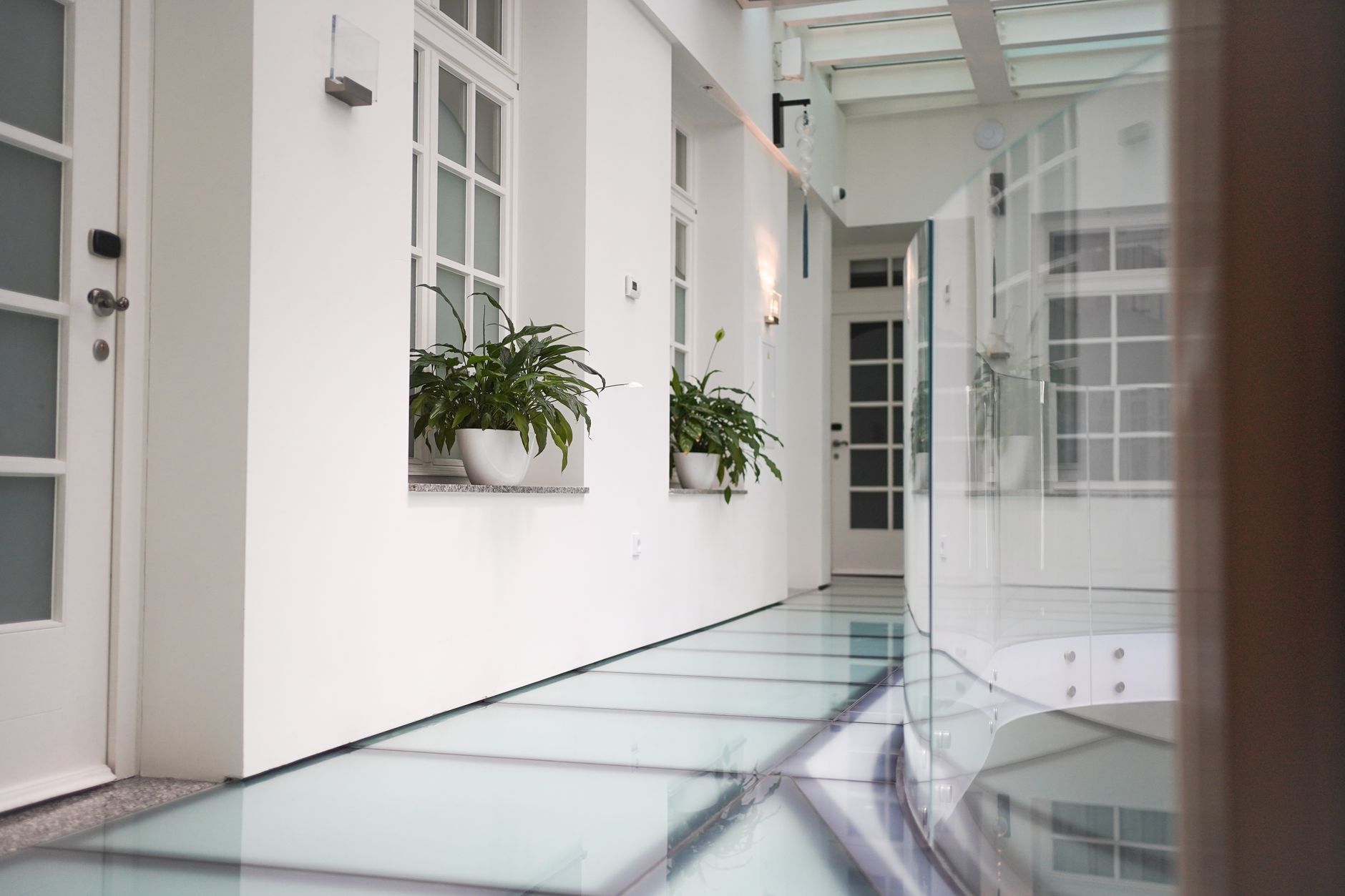
Step onto a bare slab in a finished room and three things announce themselves right away: the floor is hard, it is cold, and every footstep is loud. Those three traits, unyielding feel, temperature and acoustics, decide whether a hard floor is a pleasure or a regret. None of them is a surprise once the material is understood, and most can be managed with a few deliberate choices.
Why hard floors feel hard
Concrete, tile and stone do not compress. When a foot lands, nearly all of the impact returns to the leg, hip and lower back. Softer materials such as carpet with padding, cork and floating wood on foam give slightly, spreading the force over time. People who stand for long stretches, cooking or working at a bench, notice the difference by the end of the day. Cushioned anti fatigue mats at standing stations, a quality underlay beneath floating floors and supportive footwear change the experience more than the floor material itself.
Temperature: conduction, not just degrees
A tile floor and a carpeted floor in the same room are at nearly the same temperature, yet tile feels much colder. The reason is conductivity. Hard dense materials pull heat from skin quickly, and soft fibrous materials trap air and do not. So a cold feeling is partly about heat transfer and partly about actual temperature. Radiant floor heating raises the real temperature of the surface, which helps both. Rugs raise the comfort level through insulation without any energy cost. Cold feet are covered in more detail in the supporting piece on cold floors and foot comfort.
Sound: two kinds of noise
Acoustic engineers separate sound into airborne and impact. Airborne sound is voices, music and television traveling through the air. Impact sound is the thump of footsteps, dropped objects and moving chairs traveling through the structure. Hard floors worsen both. They reflect airborne sound back into the room, which creates echo, and they transmit impact noise into rooms below. A slab on grade has no room below, so impact noise is less of a problem, but any upper level with a hard floor will pass thuds downstairs.
Controlling echo
Echo comes from reflection off flat, hard, parallel surfaces. A bare floor, bare walls and a flat ceiling make a space sound like a gym. Absorption breaks it up. Area rugs, curtains, upholstered chairs, bookshelves filled with books, wall hangings and acoustic panels all soak up sound. A rug placed under the main seating area makes a bigger improvement than most people expect. More on this appears in the article about echo in hard surface rooms.
Making the floor friendlier
There is no need to give up a durable surface to gain comfort. A layered approach works well:
- Choose a floor with some give if possible, such as luxury vinyl over a foam underlayment or cork.
- Add area rugs with dense pads in the places where people sit, stand and walk the most.
- Use runners in hallways, which also cut noise.
- Put felt or rubber pads under furniture to stop scraping.
- Consider heating, either radiant or a plug in mat in the coldest zones.
Rugs: size and placement
A rug that is too small looks like a doormat floating in a sea of floor. In a living area, the front legs of every sofa and chair should sit on the rug. In a bedroom, it should extend well past the sides of the bed. In a dining room, chairs should stay on the rug when pulled out. A good pad underneath adds cushioning, prevents slipping and extends the life of the rug. Not every pad is safe on every surface, which is addressed in the article on pairing rugs with a coated floor.
A look at wider examples
Comfort is easier to judge when you see a finished space. The room by room stories on epoxy flooring allen record describe how different households adjusted a hard floor with rugs, heating and furnishings, and they show which fixes gave the most comfort for the least trouble.
Slip, grip and safety
Comfort and safety overlap. Smooth hard floors can be slick in socks, and rugs without grippy pads can slide. Use rug pads that match the floor type, tape down loose edges in busy paths, and keep runners flat. For older adults and small children, fall risk on hard surfaces is more serious than on carpet. A mix of soft zones around beds, seating and play areas reduces the harm from a fall.
Cleaning and allergies
Hard floors do have one comfort advantage: they do not hold dust mites, pollen and pet dander the way deep carpet does. People with allergies often prefer them for that reason. Regular damp mopping and vacuuming the rugs keep the air cleaner. A low pile washable rug is easier to maintain than a thick shag, so the softness and the cleaning effort need to be balanced.
Kitchens, offices and bedrooms compared
Each room asks for a slightly different balance. A kitchen rewards a floor that is forgiving to dropped glassware and tolerant of standing, so a cushioned mat at the sink and range pays for itself quickly. A home office has chairs on casters, which roll more quietly on a hard, flat surface than on thick carpet, but they scratch softer finishes, so a clear chair mat under the desk is worth having. A bedroom is where warmth and softness count most, because feet touch the floor first thing in the morning and last thing at night. A large rug on each side of the bed and one at the foot is a better investment there than any change to the material underneath.
Children change the equation too. Toddlers fall often and play on the floor, so soft zones with foam tiles or a thick rug reduce bumps. Teenagers want music and bass, which travels through a structure, so heavier furniture against shared walls and a rug under speakers help keep the sound from drumming through the floor. Planning these zones early, before furniture is bought, keeps the layout flexible.
What matters most
If budget or time is limited, focus on three moves. Put a good rug and pad in the main sitting zone. Add soft furnishings on at least two walls to cut echo. Provide warmth at the spots where bare feet land first, like beside the bed and in front of the sink. Those changes address hardness, coldness and noise together, and they let a durable slab surface do its job without making the room feel like a warehouse.